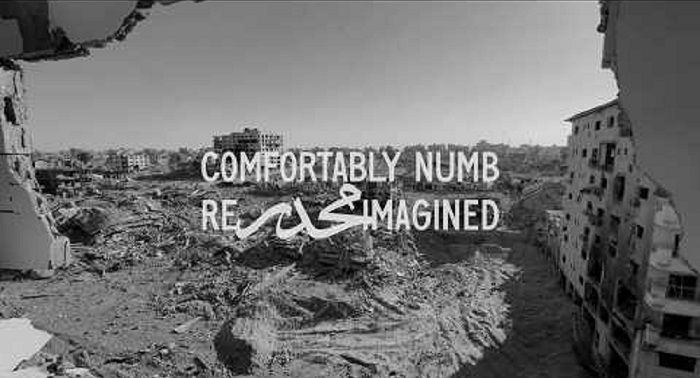
When Genius Surpasses Itself: A Hermeneutic Reading of Roger Waters’ Composition “Comfortably Numb Re-Imagined” . By a combination of circumstances, I was traveling in the far east of Turkey during those days. I returned to the hotel in the evening after exploring the areas around Lake Van and, following my established routine, put on my […]
When you hear the word “narcissist,” who comes to mind, aside from everyone? Your ex, probably. Your least favorite writer. Maybe several of your closest friends. The notion that narcissism is ubiquitous and ever increasing has been a truism for decades. In her new book, “The Selfishness of Others,” subtitled “An Essay on the Fear […]
I was the species of moody adolescent who drove people away from me when that was the last thing I wanted, so I spent a lot of time alone. I had private enthusiasms. I liked to be in the woods by myself, I liked to sleep, I liked to swim underwater, and I liked to […]
Early August is traditionally the back shelf of the year’s cultural pantry. The cineplex is filled with movies that—like cans of split-pea soup bought immemorially long ago—reëmerge after being dismissed as too paltry for early summer and too lousy for a fall release. Desperate vacationers crack open books they’ve spent all year piling other books on top […]
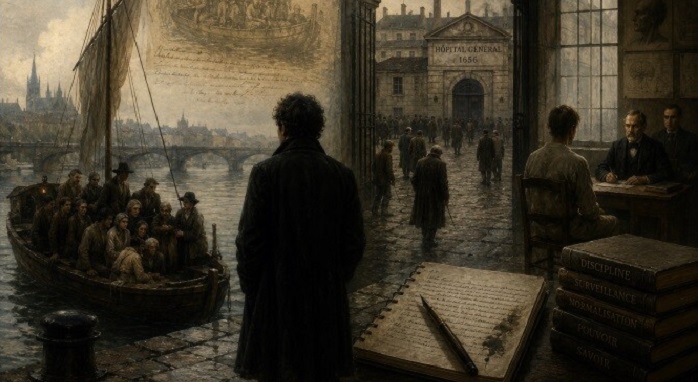
There is a type of knowledge that presents itself as entirely neutral—as if it merely records reality exactly as it is, free from self-interest, ideology, or history. Medicine claims to describe the body. Psychiatry claims to describe the mind. Jurisprudence claims to describe justice. Modernism, that massive intellectual climate that defined the 19th and 20th […]
When Power Becomes a Burden: Cyclic Patterns of Crisis, Delegitimation, and Elite Exodus Introduction In the history of major social crises—wars, economic collapses, and political breakdowns—a recurring pattern emerges: the search for a “culprit” to swiftly diffuse systemic tension. This “scapegoating” mechanism does not explain the root causes of a crisis; instead, it […]
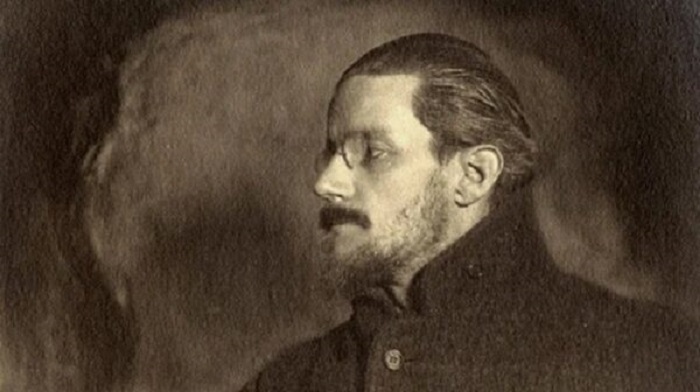
There is a type of thought that cannot be expressed linearly. It demands a detour through analogy and a form that speaks for itself before we even utter a word. Joyce’s Finnegans Wake is precisely such a thought — a book that is simultaneously the object and the very interpretation of consciousness and time. It […]
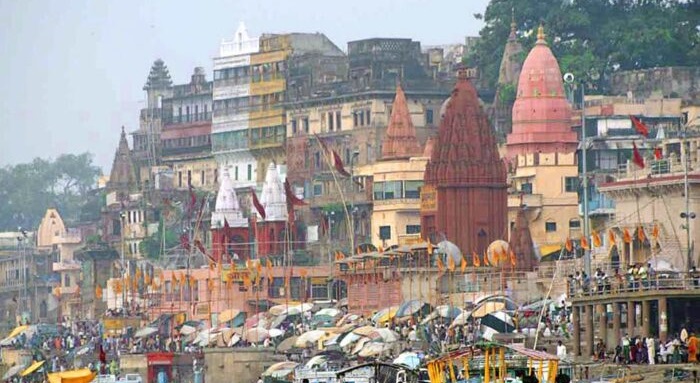
Varanasi (ancient Kāśī), also known as Banaras, is one of the oldest continuously inhabited places in the world (see: Eck, Diana L. 1982. Banaras: City of Light. Princeton: Princeton University Press). The archaeological layers associated with the area of the modern city are reliably dated to the 9th or 8th century BCE, although there are […]