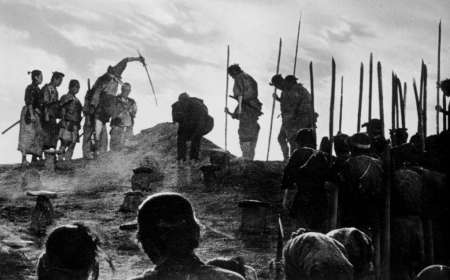
Akira Kurosawa’s epic topped BBC Culture’s poll to find the 100 greatest foreign-language films. But the influential Japanese director’s international success wasn’t mirrored at home, writes Anne Bilson. Akira Kurosawa’s Seven Samurai (1954) is a three-and-a half-hour-long black-and-white epic set in war-torn, 16th-Century Japan. As elevator pitches go, it’s hardly ideal, yet not only did […]
Early August is traditionally the back shelf of the year’s cultural pantry. The cineplex is filled with movies that—like cans of split-pea soup bought immemorially long ago—reëmerge after being dismissed as too paltry for early summer and too lousy for a fall release. Desperate vacationers crack open books they’ve spent all year piling other books on top […]
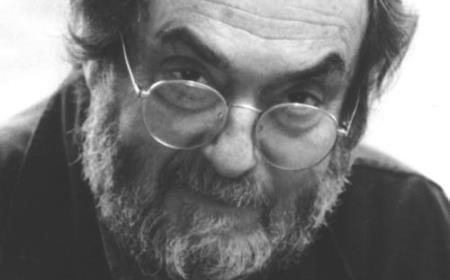
Almost a decade passed since Full Metal Jacket hit the theaters, and Stanley Kubrick lived a sort of a reclusive life in London, distanced from the press. It was then that he felt he could turn his attention to his slow-brewing passion project. In the sixties, he purchased the rights to Austrian author Arthur Schnitzler’s […]
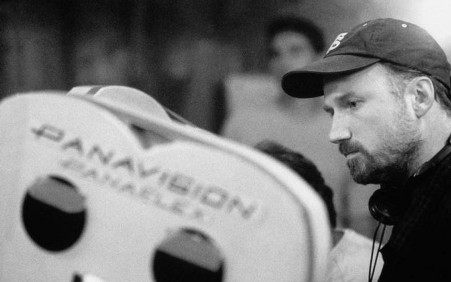
Standing proudly among the ranks of those films whose post-theater, DVD legacy far outshone and outlived the results and recognition they got while on display in cinemas across the United States during their initial theatrical run, David Fincher’s Fight Club is today seen by many as one of the best and most significant pictures of the nineties. […]
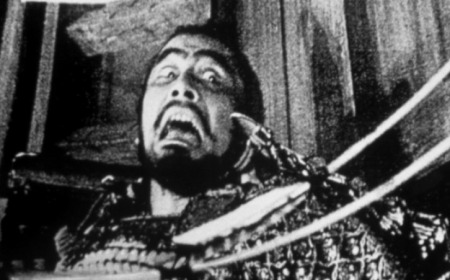
After making Rashomon in 1950, Akira Kurosawa set his eyes on making a film based on William Shakespeare’s ‘Macbeth.’ Since Orson Welles’ version was announced somewhere around that time, he decided to put it on hold, switched his attention to other projects and returned to the idea in the second half of the decade. In […]
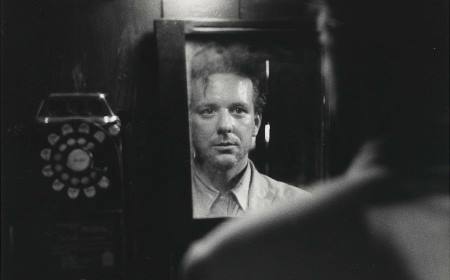
English film director Alan Parker was first introduced to William Hjortsberg’s novel ‘Falling Angel’ almost immediately after its publication in 1978, but it took another seven or eight years for him to start working on its film adaptation, as the rights to the book passed from one pair of hands to the other. Parker loved the novel—a […]
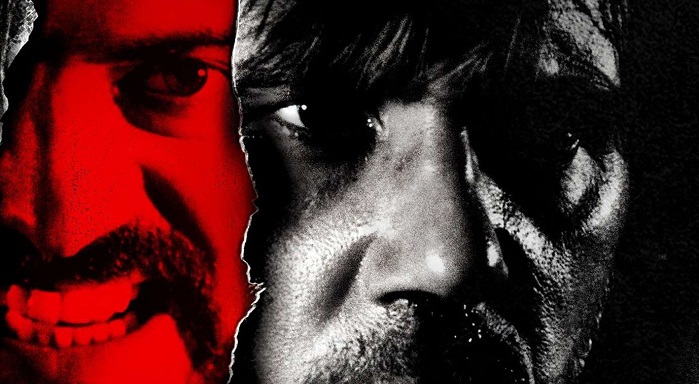
“A Serbian Film” by Srđan Spasojević: An Analysis of Transgression and Postmodern Ethics. Toward Understanding the Film as a Mirror of the Collective Unconscious. “People don’t want the truth. They want something they can’t look away from.” Vukmir • Why return to analyzing A Serbian Film sixteen years after its release? Precisely because time has […]
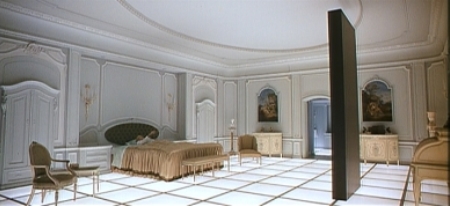
“There’s something in the human personality which resents things that are clear, and conversely, something which is attracted to puzzles, enigmas, and allegories.” Stanley Kubrick [1] 2001 is often mistakenly thought of as being a dream like film, better experienced than understood, which is purposefully unintelligible. I think this is to devalue both the film […]